The Question That Changes Everything

A few years ago I walked into a team that was stuck. They had a strategy. A timeline. Weekly meetings and a project plan and all the things you're supposed to have when you're leading change. But nothing was moving.
A few years ago I walked into a team that was stuck.
They had a strategy. A timeline. Weekly meetings and a project plan and all the things you're supposed to have when you're leading change. But nothing was moving.
People nodded in meetings and went back to doing exactly what they were doing before. The project manager was frustrated. Leadership was losing patience. And the team had checked out without anyone noticing.
So I did something that made a few people uncomfortable. Instead of asking about the plan, the milestones, the deliverables, I asked one question.
How are you feeling about this?
Silence.
And then, slowly, something opened up.
The pattern I keep seeing
Most organizations don't ignore emotions during change. They see the resistance. They notice the energy dropping. They hear the complaints in the hallways.
But then they fight it. More town halls. More communication. Another email from leadership explaining why this change is good for everyone.
And the energy still doesn't shift.
Because they're addressing what people think. Not what people feel. And those are two very different things.
I've sat with enough teams over the past 15 years to recognize this pattern. The plan is almost never the problem. The timeline is fine. The strategy makes sense. What gets stuck is underneath all of that. The fear people won't name. The frustration they swallow. The confusion they hide because they don't want to look stupid in front of their colleagues.
Finding the language for it
I'd been sitting with this for years. Why do change initiatives with solid plans still get stuck? Why do teams with clear goals still resist? I kept coming back to the same place. We weren't addressing what people felt. Only what they thought.
In 2018 I came across Jeremy Dean's work on emotional culture and the Emotional Culture Deck. Something clicked. Not because the idea was new to me, but because it gave language and structure to what I'd always believed was missing. A way to make the invisible visible. A way to surface the conversations that matter but never happen.
It gave me a tool. But the belief came long before that.
What happens when you actually ask
When I stepped in as interim HR manager at an organization a few years back, I put this to the test. I found a group of people who had been neglected. Demotivated. Going through the motions.
I could have come in with a plan. New processes, new structures, new goals. That's what they expected.
Instead I asked: How have you been feeling? What do you need to feel to be at your best here? And what do our people need to feel to thrive?
That conversation changed everything. Not because the answers were surprising. But because nobody had ever asked. People felt seen. They felt heard. And from that, we built an HR strategy grounded in something real. Not processes and procedures, but what it actually takes to create the space for people to do their best work.
Why leaders avoid this
I get it. It feels soft. And when you're under pressure, when the board wants results and the deadline is next quarter, the last thing you want to do is sit in a circle and talk about feelings.
I've heard it many times. "We're professionals. People need to check their emotions at the door."
One organization I worked with wanted to change their culture. They started with values posters. Defined behaviors. Built frameworks. All the right moves on paper. But they refused to go deeper.
Six months later, with little to show for it, they came back ready to try something different. Sometimes people need to go through the safe
approach first. That's okay. But it costs time. And it costs trust.
Can I be honest about what I see?
Leaders think they need to manage people's emotions. They don't. You can't control how someone feels about a reorganization or a new system or a shift in direction.
But you can design around it.
You are not responsible for people's emotions. You are responsible for designing the process, the conversations, the moments that account for what people feel. That's the difference between change that sticks and change that people endure until they find a way back to how things were.
What it costs when you don't
When organizations fight emotions instead of designing around them, three things tend to happen.
Leaders lose credibility. You tell people their concerns are heard but nothing changes in how you work with them. They stop believing you. And in a place like Curaçao, that matters. You don't just lose one person's trust. You lose their sister's, their neighbor's, their colleague's.
People comply publicly and disengage privately. They show up. They nod. They fill in the surveys. But they've already decided this is something to survive, not something to own.
And projects take twice as long. Because you keep fighting the same battles. The resistance doesn't go away. It just goes underground.
Back to the question
How are you feeling?
Simple. Almost too simple. But what happens after someone actually answers it? That part still surprises me.
I'm spending 30 minutes on this Friday over lunch. Free, online, no slides full of frameworks. Just a conversation about the part of change nobody talks about.
If you're leading change right now and something feels stuck, this might be worth your lunch break.
Friday, February 20 at 12:00. Online. Free.
Bring your sandwich. Bring your questions.
You might also like
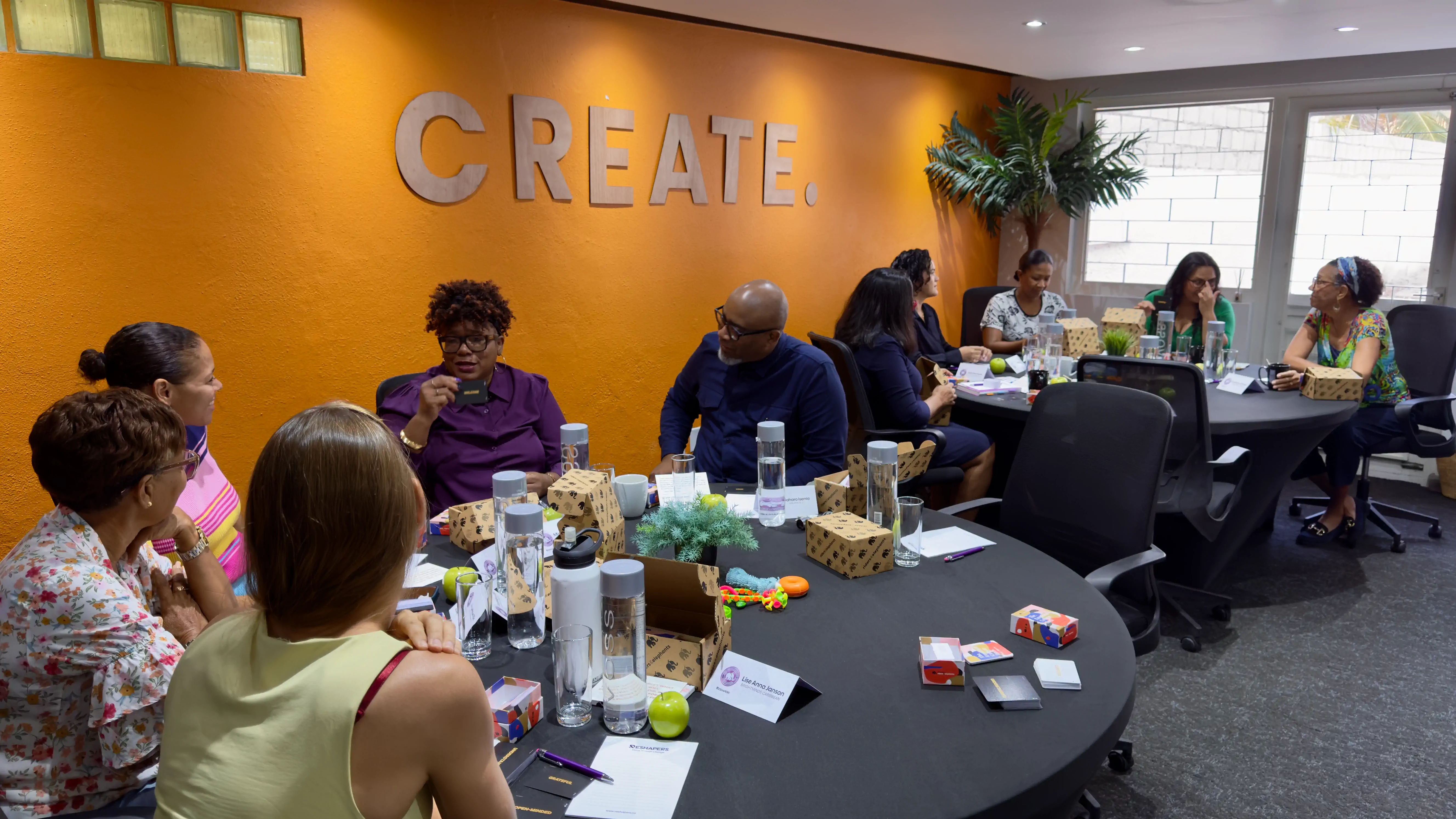
Emotional, By Design
Simply put, most problems inside an organization are emotional problems wearing a different costume. A team goes silent. A client quietly walks away. Trace either one back far enough and you land on the same spot. Somebody's feelings got ignored. Nobody had a system built to catch it.
Read more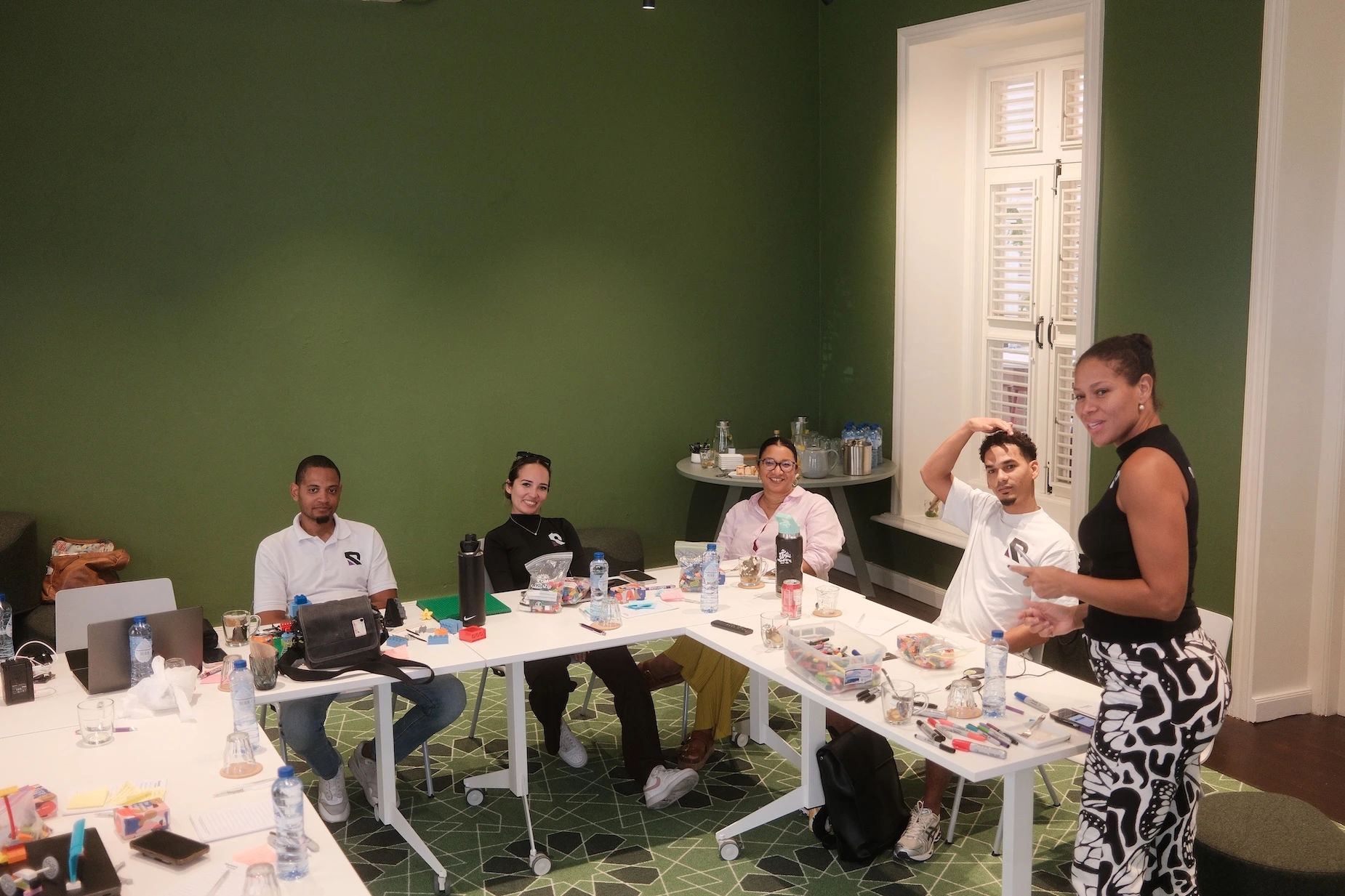
Reflection Is a Leadership Strategy
Most leaders treat a strategy review as a chore. Block the calendar, invite the team and report on targets. The main difference between a status update and strategic review? Reflection.
Read more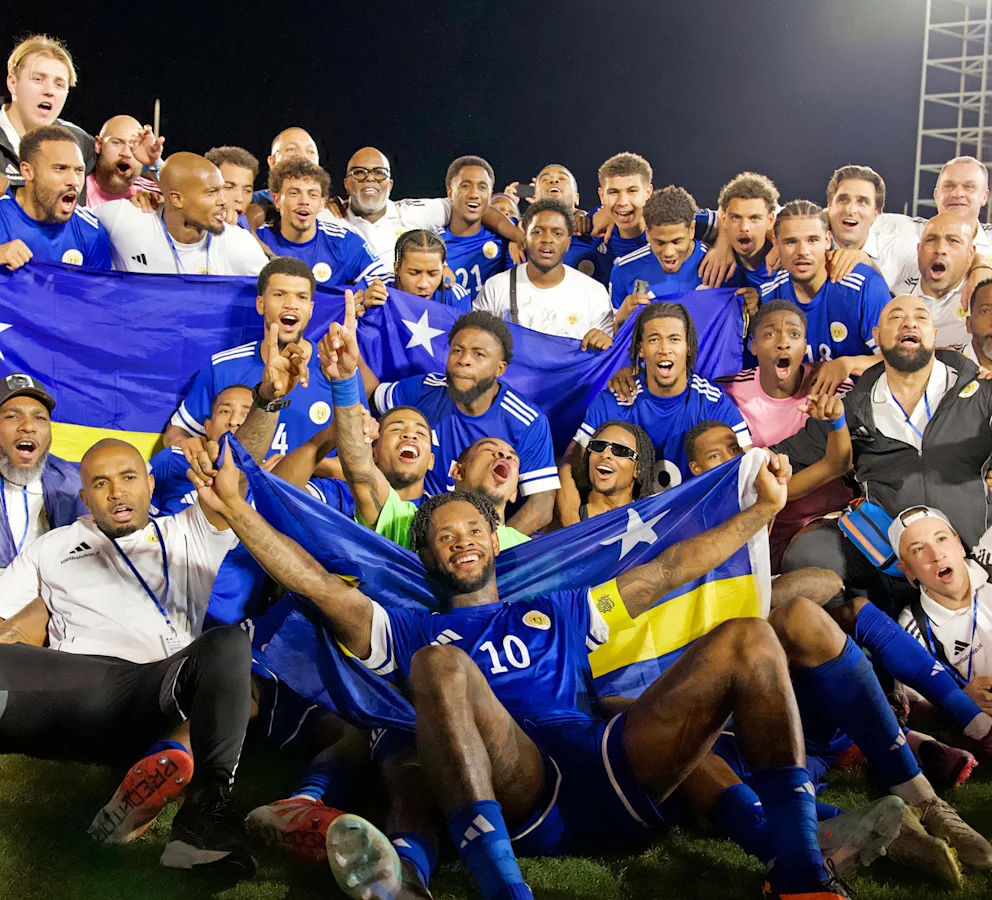
What Curaçao's World Cup Run Teaches Us About Change Readiness
Curaçao's historic World Cup run is a masterclass in change readiness. Six forces made it work. See how your team scores on each one.
Read more