Reflection Is a Leadership Strategy

Most leaders treat a strategy review as a chore. Block the calendar, invite the team and report on targets. The main difference between a status update and strategic review? Reflection.
Oftentimes reflection is seen like a pause from the real work. But reflection is the real work. It's how a team turns six months of effort into direction for the next six. Skip it, and you carry forward the same blind spots, the same unspoken tension, the same goals nobody quite remembers agreeing to.
The Real Point of a Strategy Review
As a leader, a strategy review gives you something no dashboard can. A read on where your team's energy actually went, not just where the plan said it should go. Those two things rarely match perfectly. The gap between them is where your next quarter's priorities live. Most leaders never see this gap in the first place, because a dashboard only shows you what got delivered. It cannot show you what almost didn't, what quietly took twice the effort it should have, or what got carried by one person's late nights instead of the plan you signed off on. Once you can actually see that gap, priority-setting stops being a guess. You are no longer choosing next quarter's focus based on where the plan assumed effort would go. You are choosing it based on where your team's real effort already lives, and where it needs to move next.
Reflection allows leaders to see beyond the noise. To look at their vision with clarity, to regain confidence in their decisions, and to align with their team members from a place of insight. It positions you to intentionally shape the path forward.
As a team, a review is where individual effort becomes shared understanding. People carry stories the org chart never shows: what pulled focus, what quietly stalled, what felt like a win nobody named out loud. By surfacing those stories together, alignment becomes real.
A strategy review should leave people with:
Clarity on where the last six months of energy actually went, and how that lines up with your organizational goals
Honest visibility into what's standing in the way, named out loud instead of being worked around in silence for another quarter
Awareness of what it takes to move forward and how
Personal commitment. Not a task on a list. A reason people can say out loud and mean.
That last one is easy to underestimate. But a team that recommits with energy moves differently than a team that simply received new targets.
Reflection is how teams sharpen the saw
Teams that reflect together operate differently. A team that has practiced naming what is not working together builds a shared vocabulary for it, so the next hard conversation starts from where the last one left off instead of from zero. And a team that helps define its own next steps does not need to be chased to follow through on them. That difference alone tends to give a leader back more time than the reflection ever cost.
As a leader, creating that space is something you build, the same way you built every other leadership capability you now take for granted. And you built it by doing: holding a room through honest reflection, asking a question and actually sitting with the silence that follows, and turning scattered energy into a collective force to be reckoned with.
Half-Time
That is exactly what we built Halftime for. Your three hour strategy reset. Built to look back, reset, and lead forward. Nothing about the next six months changes on its own just because the last six are over.
Reflection is not optional. It is how you decide what your team does next, on purpose instead of by accident. Get ready to lead your team forward and Book your session.
You might also like
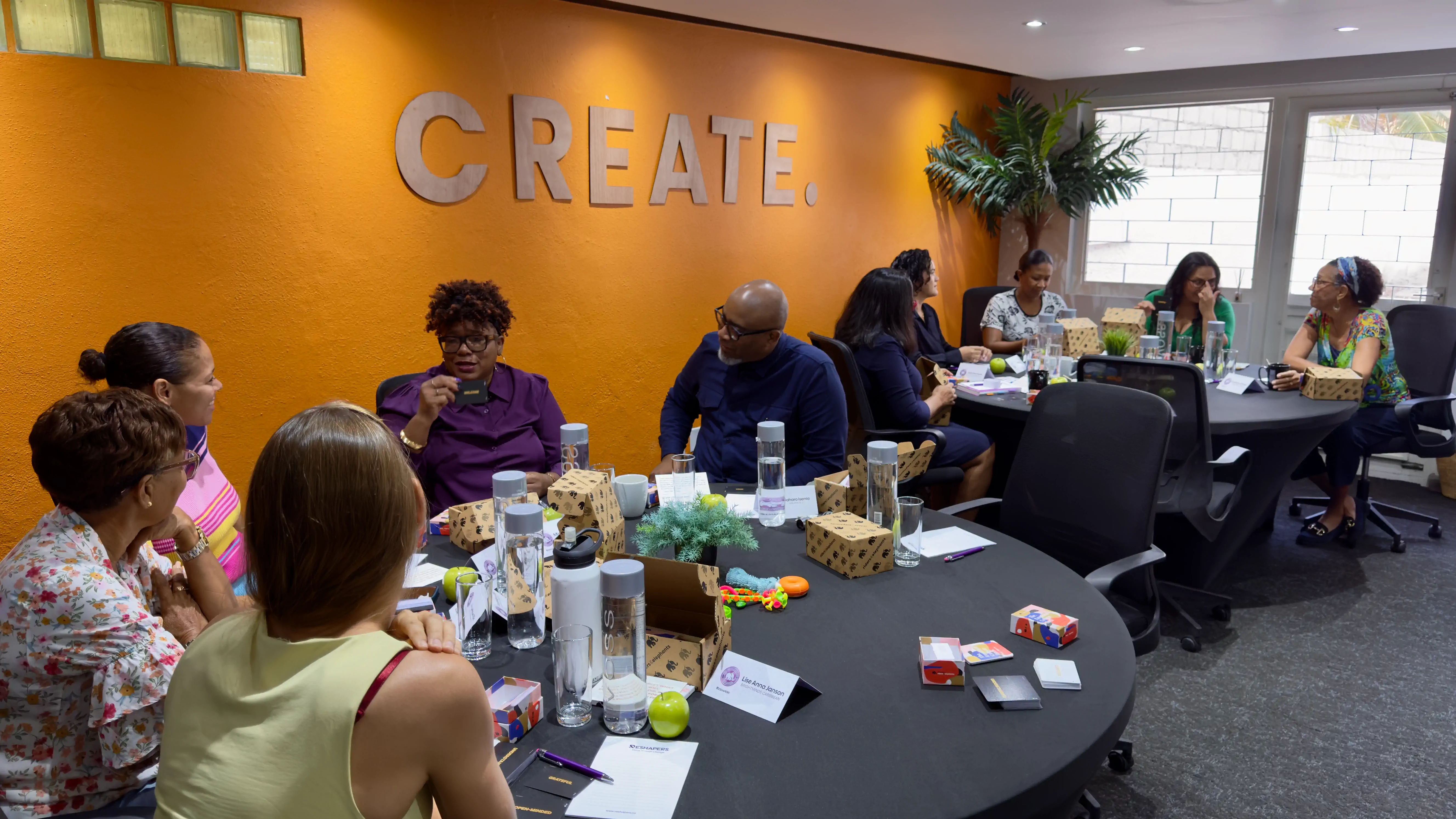
Emotional, By Design
Simply put, most problems inside an organization are emotional problems wearing a different costume. A team goes silent. A client quietly walks away. Trace either one back far enough and you land on the same spot. Somebody's feelings got ignored. Nobody had a system built to catch it.
Read more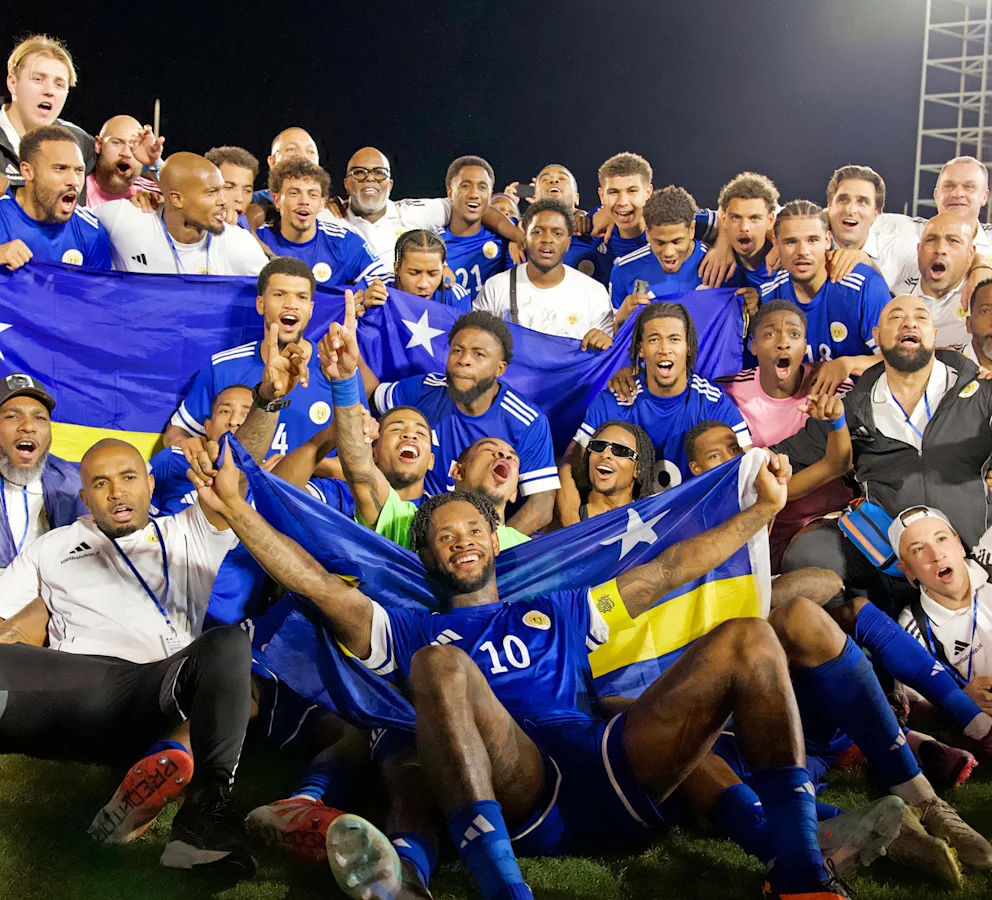
What Curaçao's World Cup Run Teaches Us About Change Readiness
Curaçao's historic World Cup run is a masterclass in change readiness. Six forces made it work. See how your team scores on each one.
Read more
Before Your Next Change Program, Answer Six Questions
Before your next change program, answer six questions. Not about the strategy. Not about the budget. About your people.
Read more