You're Fighting the Wrong Battle

McKinsey reports that 70% of change initiatives fail, mostly due to employee resistance. But the problem isn't the emotions themselves — it's that no one designed around them.
McKinsey reports that 70% of change initiatives fail to achieve their goals. The primary reason? Employee resistance and lack of management support.
But here's what that statistic doesn't tell you: most of that resistance isn't about the change itself. It's about how the change is being handled. And most leaders, when they see resistance, do exactly the wrong thing.
They fight the emotions.
More town halls. More emails explaining the "why." More presentations with timelines and milestones. They push harder, communicate more, and wonder why people still aren't on board.
Can I offer a different way to think about this?
The resistance isn't the problem. The emotions aren't the problem. The problem is that no one designed around them.
What fighting emotions actually looks like
I see the same pattern everywhere. Someone raises a concern and it gets labeled as negativity. Fear shows up and leaders respond with more information, as if facts will dissolve feelings. People express frustration and the response is to push through with more top-down communication.
The costs compound quietly. Leaders lose credibility, not because the change was wrong, but because of how it was handled. Trust erodes, making the next initiative even harder to land. People comply publicly but disengage privately. They do the minimum, stop bringing their full energy, wait it out. And the organization ends up fighting the same battles over and over. Different project, same resistance, same wasted time.
A different starting point
I once stepped into a team that had been neglected for months. Demotivated, disconnected, going through the motions. The obvious move was to dive into plans and deliverables. Instead, I asked a different question.
How are you feeling?
Not as a warm-up exercise. Not as a checkbox before getting to the "real work." As the actual starting point.
At first, hesitation. That "here we go again" energy. Another leader, another initiative, another round of being told what to do. But I kept listening. And something shifted. People who had been silent started contributing. The energy in the room changed. They began owning the work instead of just doing it.
That conversation took maybe thirty minutes. It saved months of fighting the same battles.
The reframe
Here's what I've come to believe: you are not responsible for people's emotions. You cannot control how someone feels about change. But you are absolutely responsible for designing around those emotions.
That means asking different questions early. What do people need to feel for this change to succeed? Where is the resistance coming from and what is it telling us? How do we create the conditions for people to move through this, not just comply with it?
Emotions drive behavior. If you want different behaviors, you need to work with the emotions, not against them.
What people actually remember
Think about a change you went through that stayed with you. Not the project plan. Not the communication strategy. What do you actually remember?
Most likely, it's how that change made you feel.
That's the question worth sitting with. I'll be exploring it more in a free webinar on February 20th called "What People Actually Remember About Change." If this resonates, I'd love to have you there.
You might also like
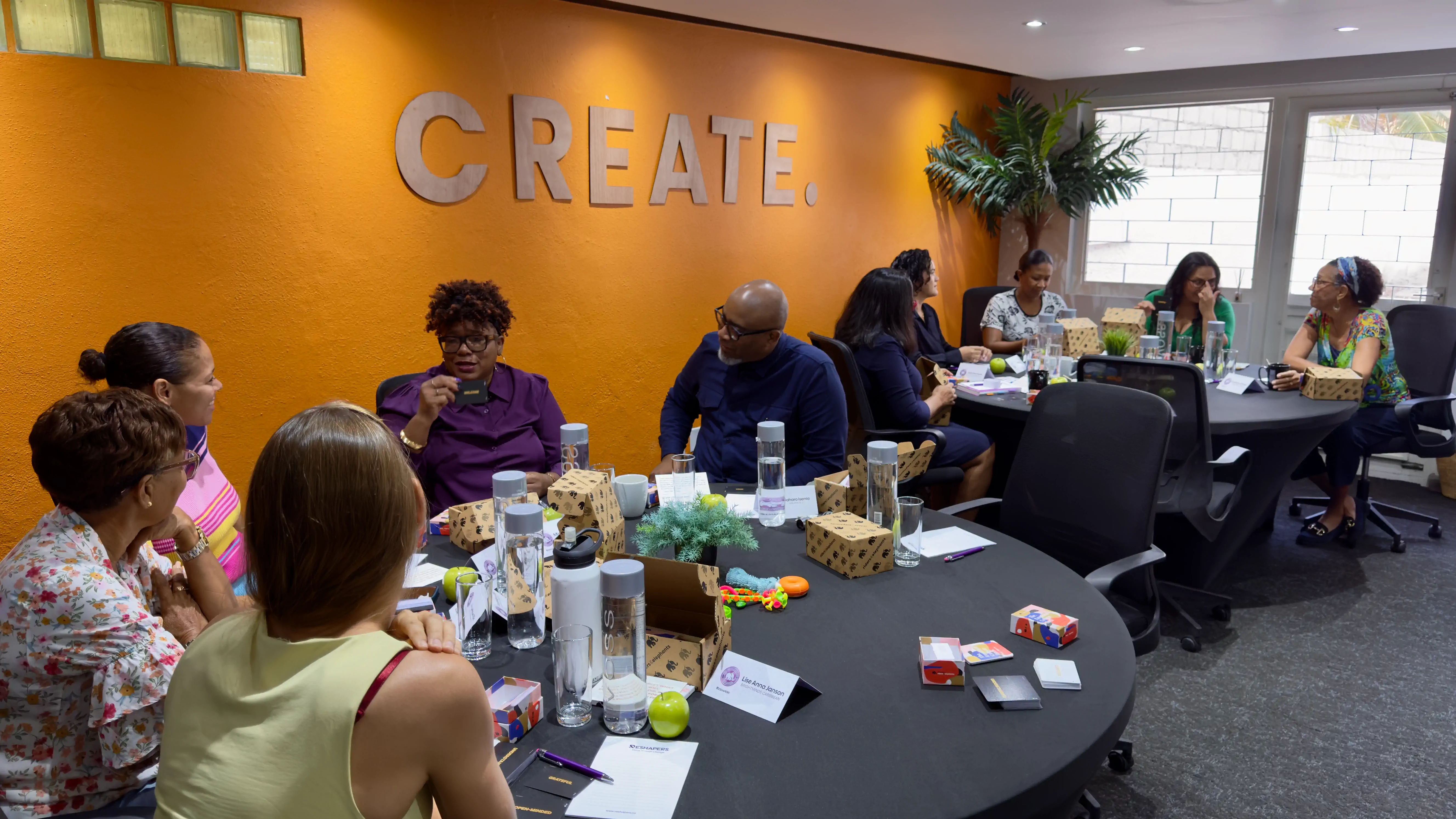
Emotional, By Design
Simply put, most problems inside an organization are emotional problems wearing a different costume. A team goes silent. A client quietly walks away. Trace either one back far enough and you land on the same spot. Somebody's feelings got ignored. Nobody had a system built to catch it.
Read more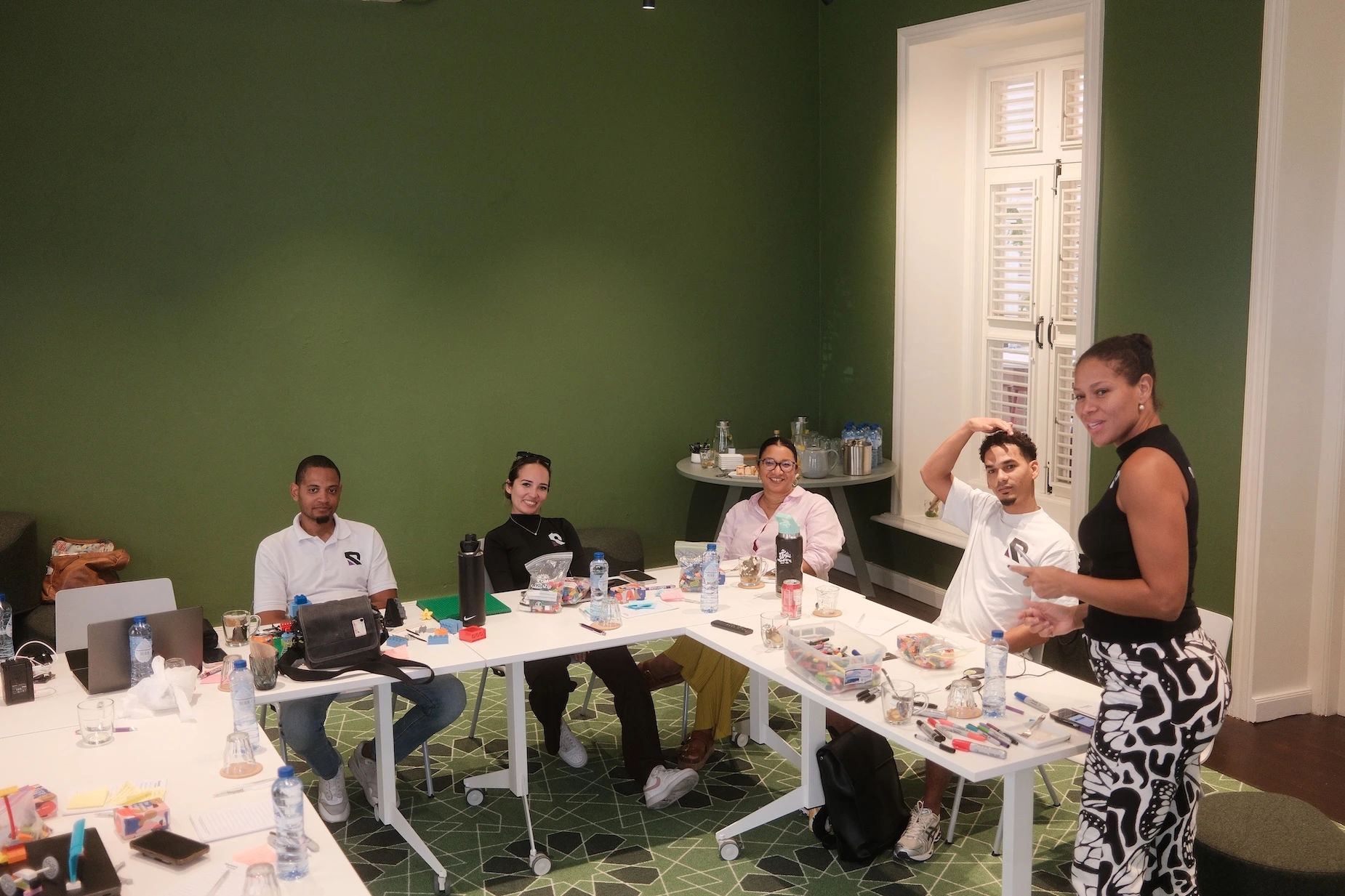
Reflection Is a Leadership Strategy
Most leaders treat a strategy review as a chore. Block the calendar, invite the team and report on targets. The main difference between a status update and strategic review? Reflection.
Read more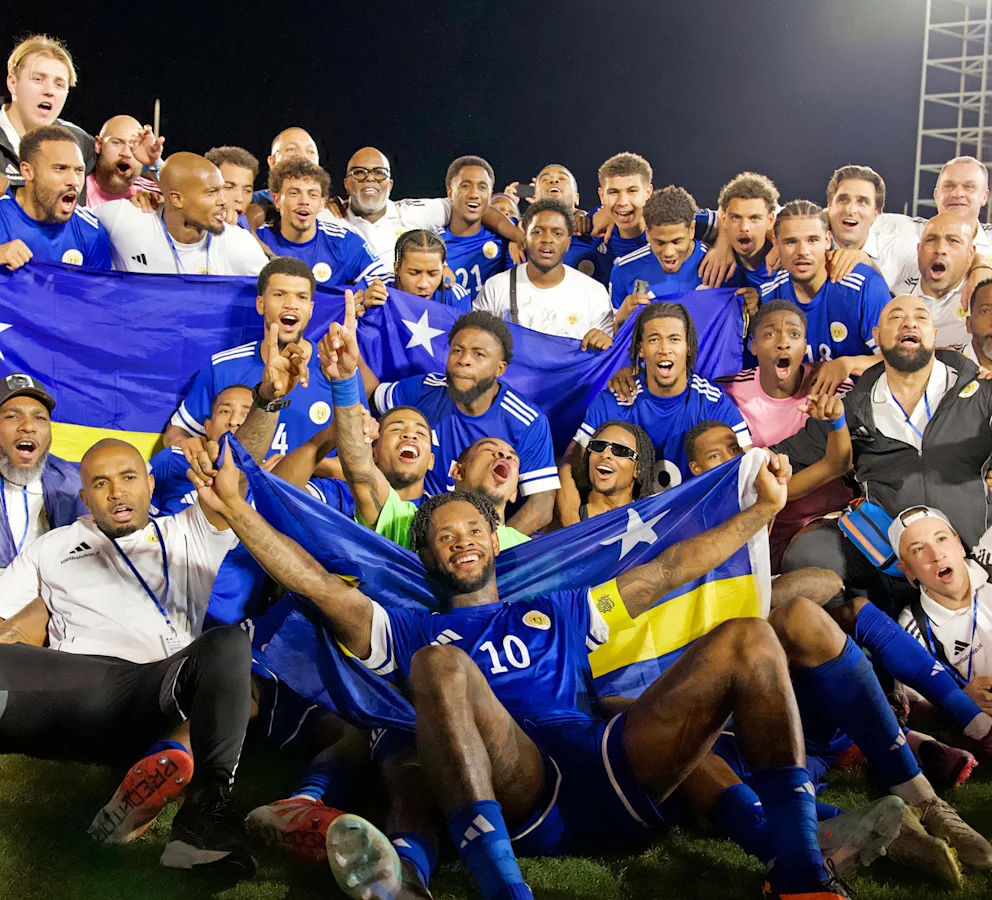
What Curaçao's World Cup Run Teaches Us About Change Readiness
Curaçao's historic World Cup run is a masterclass in change readiness. Six forces made it work. See how your team scores on each one.
Read more