Not All Resistance To Change Is The Same
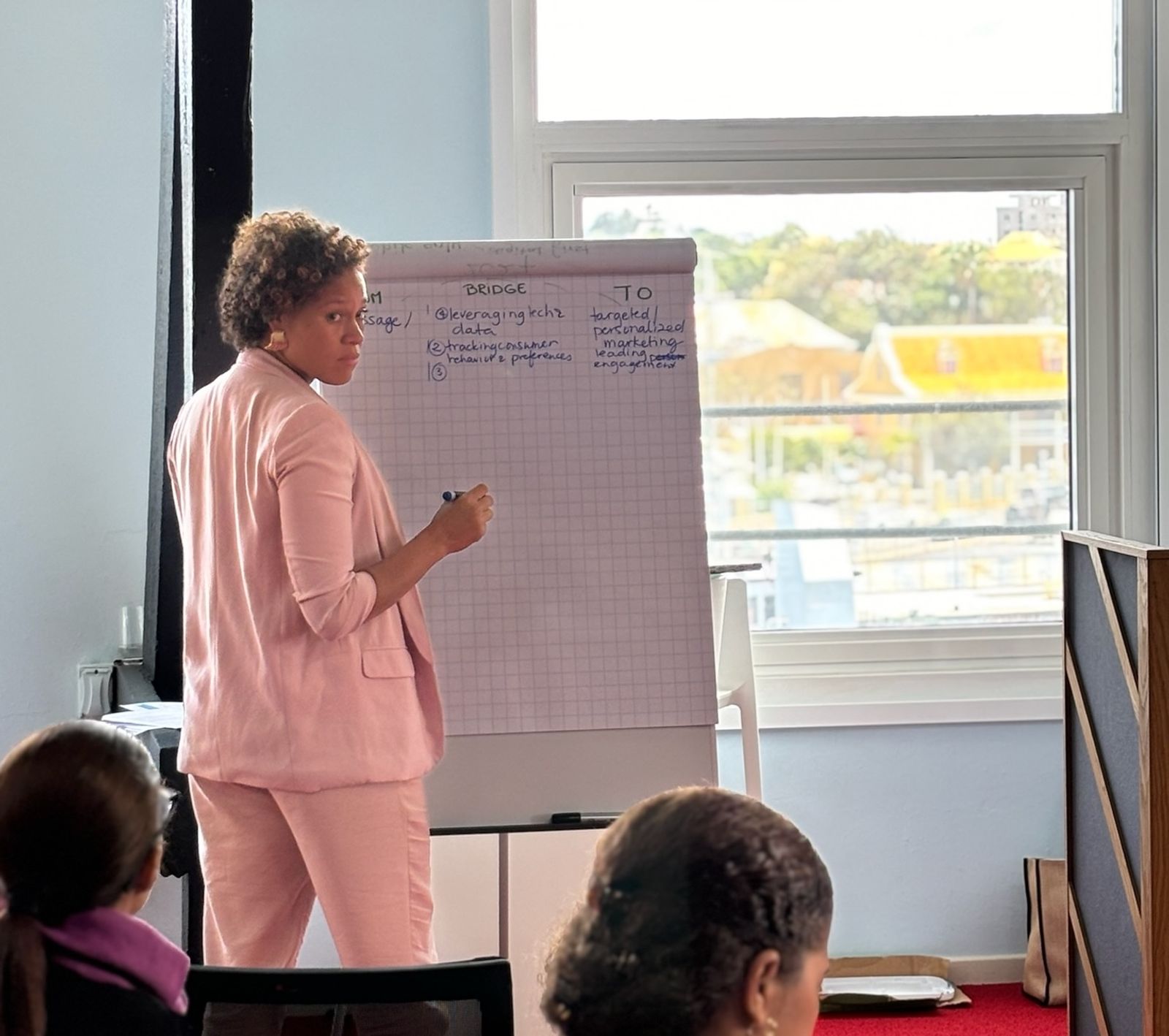
“We need a plan to manage the resistance.” The amount of times I have heard this in boardrooms, as if everyone knew what resistance means. Resistance has become the go-to term in change management briefs the world over and a frequent favorite Linked-in post topic.
The concept of resistance to change has been in organizational literature for decades. It gave practitioners and leaders a way to say: people are not moving the way we need them to move. That shared language had value. It made the human side of change visible in rooms where it had previously been invisible.
But shared language can stop being a lens and become a label.
Because once you name something resistance, you stop asking what it actually is.
And I think that quietly costs organizations and change managers more than they realize, because we are turning a complex, human experience into a single, manageable ‘thing’.
What are we missing?
Today, “resistance” seems to function as a container into which we pour everything we cannot easily explain. The employee who asks too many questions. The manager who keeps raising concerns. The team that seems disengaged. The person who agreed in the meeting and did nothing afterward.
The moment we file it all under resistance, the texture of what is actually happening disappears. And how you name something determines how you respond to it.
Change always happens to people. Individually, at their own pace, on their own terms.
What if someone understands the change intellectually but does not yet feel ready to act on it? What if someone is genuinely excited about where things are headed, but frightened by the pace, the load, or the fear of getting it wrong? What if someone has taken real steps, yet still looks from the outside like they are dragging their feet?
When we collapse all of the above into resistance, we might be missing the person who is almost there but needs a different kind of support. We might be misreading the person asking hard questions as opposition, when they are actually the most invested person in the room. We might be seeing defiance where there is confusion, or opposition where there is simply exhaustion. And we might be telling the people making genuine steps that their effort is invisible.
The people themselves, those experiencing the change and those leading it, are left with a language that does not help them locate what is real. And the organization will spend time and money solving something they have actually not diagnosed.
The cost of using resistance as an all-encompassing frame is that we lose precision.
Is this a clarity problem: do people not yet understand what is being asked of them? Is it an ownership issue: do they feel no part in how this unfolds? Is it energy: are they already at capacity before this change even lands? Is it trust: do they believe leadership will follow through? These are different situations. They require different responses. Calling all of them resistance can misdirect us.
The more useful question is not what do we do about the resistance? It is: what are the conditions here? What are people actually being asked to absorb?
That shift asks leaders and change managers to look more carefully, not just at behavior, but at what is shaping it. Too much gets missed if the conversation stalls at the level of resistance.
This question has been keeping us busy at Reshapers, because we have seen what gets missed when the ‘container’ does not serve the change. So we have been building something to dig deeper to surface the specific conditions that determine whether people can actually do what is being asked of them. This article is part of our thinking.
We hope to share more soon. In the meantime, let’s start the conversation! If this resonates with you because the current frame is not capturing what is really happening, let’s sit down for a chat. Coffee is on us!
You might also like

Emotional, By Design
Simply put, most problems inside an organization are emotional problems wearing a different costume. A team goes silent. A client quietly walks away. Trace either one back far enough and you land on the same spot. Somebody's feelings got ignored. Nobody had a system built to catch it.
Read more
Reflection Is a Leadership Strategy
Most leaders treat a strategy review as a chore. Block the calendar, invite the team and report on targets. The main difference between a status update and strategic review? Reflection.
Read more
What Curaçao's World Cup Run Teaches Us About Change Readiness
Curaçao's historic World Cup run is a masterclass in change readiness. Six forces made it work. See how your team scores on each one.
Read more