We Gave Our MarCom Team the Day We Give Our Clients
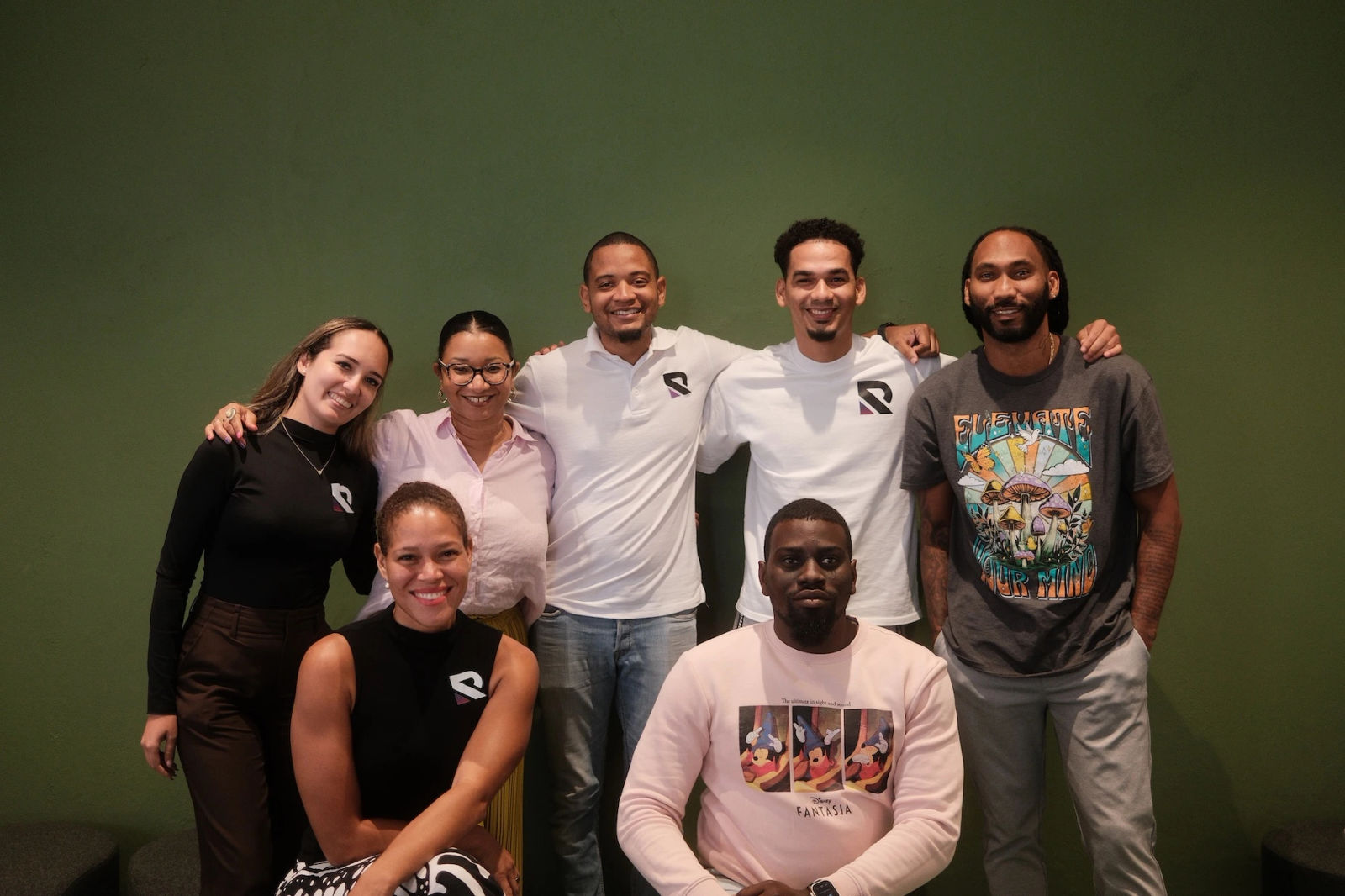
Last month we published an article making the case that it is never too late to reset your marketing strategy. The right moment is the moment you decide to act. On March 20, we acted.
Our Marketing and Communications team spent a full Friday at Youmeet in Scharloo, a new and inspiring work space in Scharloo, away from the usual office environment and everything that comes with it. We designed the day ourselves, facilitated it ourselves, and ran it the same way we run sessions for the organizations we work with. Intentional from start to finish. Built around outcomes, not conversation for the sake of conversation.
The Day Starts Before the Day
One thing we do consistently for our clients is prepare the room before anyone walks in. Not just the physical space, but the mental one. We brief teams in advance, set expectations clearly and make sure everyone arrives ready to contribute rather than still figuring out what the day is about.
We did the same for ourselves.
A few days before the offsite, the team received a message with everything they needed to know and prepare. Each person came with a client win, a team win and a personal win from the past year, written out and ready to share. Each person came with a human moment from 2025 where their work actually changed something for a client. And each person came with one thing they believe the team should stop doing, the kind of thing that is slightly uncomfortable to say out loud.
That preparation changed the quality of the day from the first hour. No warm-up time spent figuring out what we were doing. No hesitation about whether honesty was welcome. The room was ready to work.
What the Day Was Built Around
We structured the day around five feelings we wanted to walk out with: inspired, daring, connected, proud and secure. Every part of the program was designed to activate at least one of them.
We started by making our wins concrete. Before anyone spoke, we anchored the celebration in real numbers from our own business data, then let each person walk through their three wins. That combination, the personal story placed next to hard evidence, made the pride specific rather than general. This is one of the most skipped steps in any team session. Most teams rush past celebration to get to the problems. Slowing down here changes the energy for everything that follows.
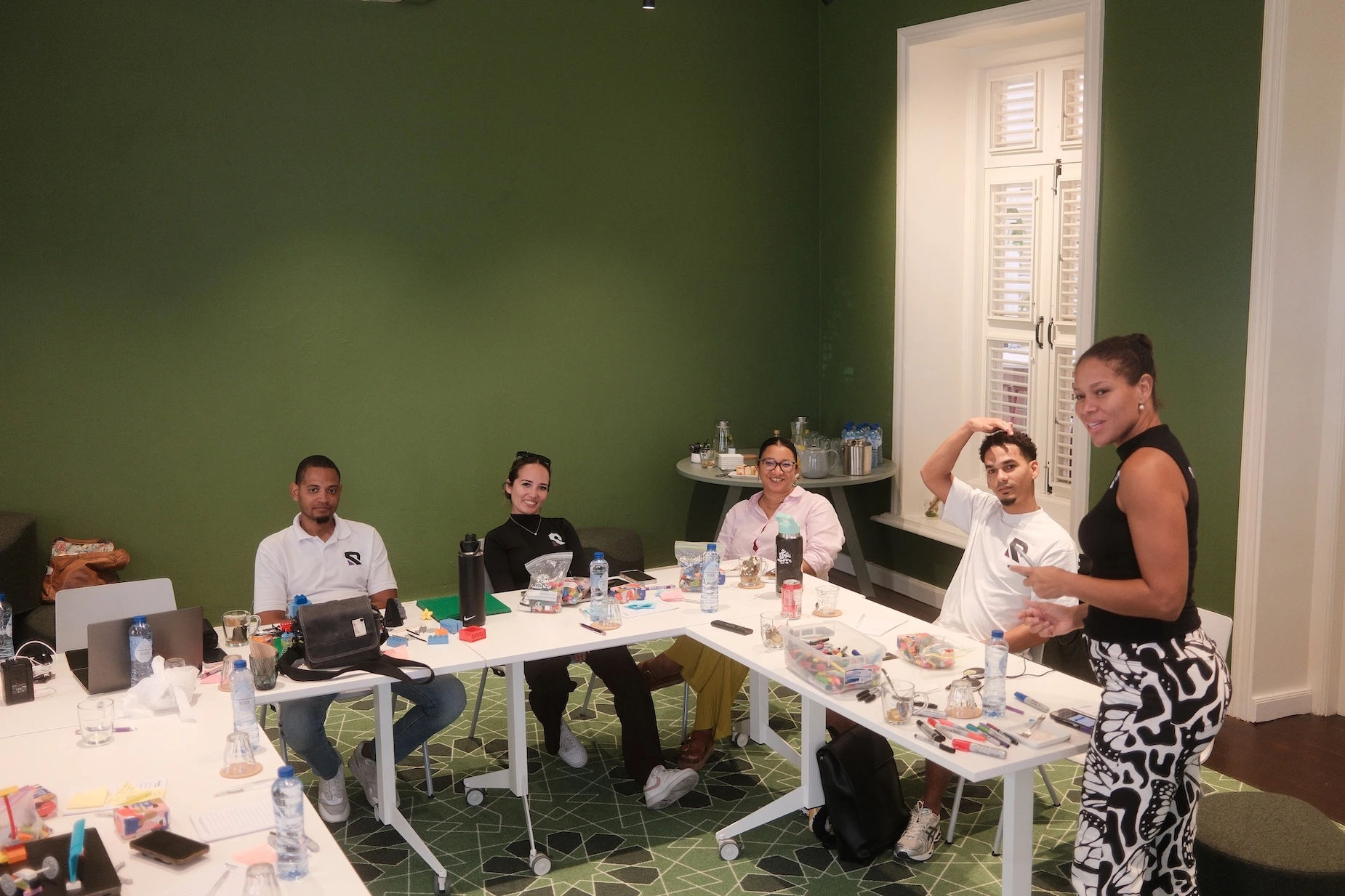
From there, the day moved between reflection, strategy and physical work. We used LEGO to represent the MarCom team within Reshapers, as individuals first and then as a group. When your hands are building, your thinking opens differently. The group made a commitment during that session that became the anchor for the entire afternoon.
The honest conversations came after lunch. We named the things we should stop doing. We reviewed where our real growth sits as a department, where we have gaps and where we have stayed quiet for too long. Every discussion landed in concrete actions with named owners. Nothing left the room as a good intention.
What Made It Work
Two things made the difference between a day that is productive and a day that just feels productive.
The first was Youmeet. Getting out of your normal space is not a luxury. The environment you work in shapes the thinking you do there. Youmeet gave us a completely different frame for the day, and that shift in context made the conversations easier to have.
The second was facilitation. Deva-Dee, one of our own team members, led the day. A skilled facilitator knows when to push the room toward a decision, when to surface what is not being said and how to keep people accountable to commitments that are specific enough to act on. Having Deva-Dee hold that space made the day even more meaningful. When your facilitator is also someone who has invested in the team and believes in the work, it shows in the room.
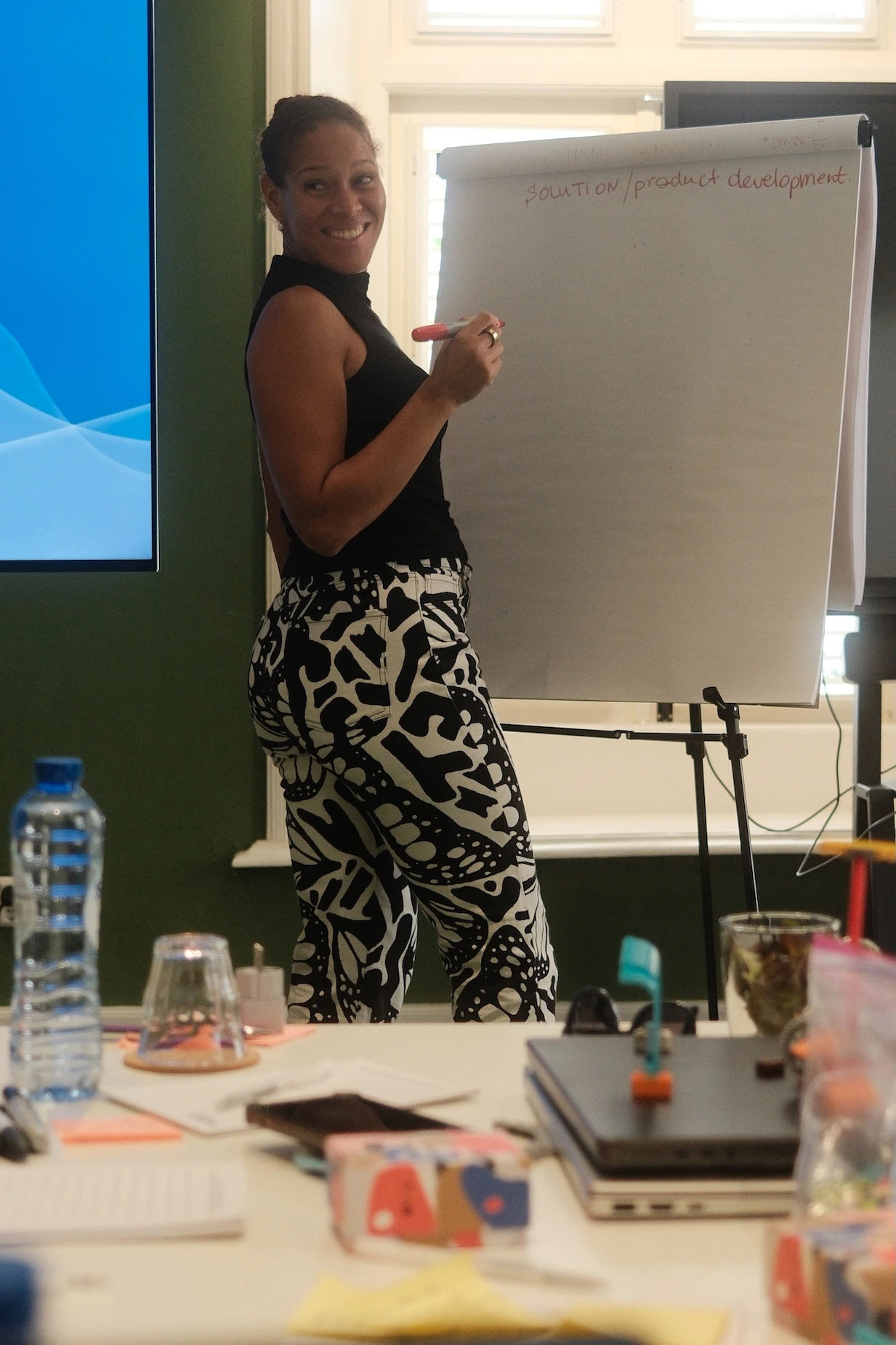
We see this in every client engagement we run. Good facilitation is not about keeping energy high or managing time. It is about knowing when to push the room toward a decision, when to surface what is not being said and how to hold people to commitments specific enough to act on.
The Principle Behind It
We ask our clients to invest in their teams. We build the programs, design the sessions and show up ready to facilitate the conversations that move things forward. For a long time, our own team sat at the bottom of that list. Not because we did not believe in it, but because the calendar filled up and the client work kept coming first.
March 20 was the answer to that pattern.
Every organization that leads marketing and communications work for others faces this tension.
‘The team that is always building strategy for everyone else rarely gets the structured time to build one for itself.’
The result is a department that is good at execution but quietly misaligned in direction, working hard but not always in the same line.
One day, designed well and facilitated with intention, closes that gap.
Ready to run this for your team?
We design and facilitate internal alignment days for your department. If your team is overdue for a structured reset, reach out at hello@reshapers.co or or start shaping your retreat today with the Reshapers Retreat Design Tool
You might also like

Knowing Your Persona Beats Knowing Your Audience
Your Audience Gets You in the Room. Your Persona Gets You the Buyer. Your marketing team defined a target audience last quarter. Women, 35 to 50, mid-level managers, world travelers. The campaign launched on schedule and still underperformed. The audience definition was not wrong. It was simply not finished.
Read more
The Adidas Lesson: Stop Selling, Start Storytelling
If you watched Adidas' Backyard Legends and felt something before you noticed the logo, you are not alone. Sixty seconds in, you forgot you were watching an ad. And the point lands hard. It tells you everything about where commercial storytelling is heading.
Read more
It's Not Too Late to Fix Your Marketing Strategy
The first quarter is not over. You still have time. But you need to move now. Most companies start the year the same way. They hit January with energy, skip the strategy conversation, and dive straight into tactics. Social posts go up. Campaigns get planned. Budgets get allocated. Everyone is busy. Busy is not the same as aligned.
Read more