The Part of Change We Keep Skipping
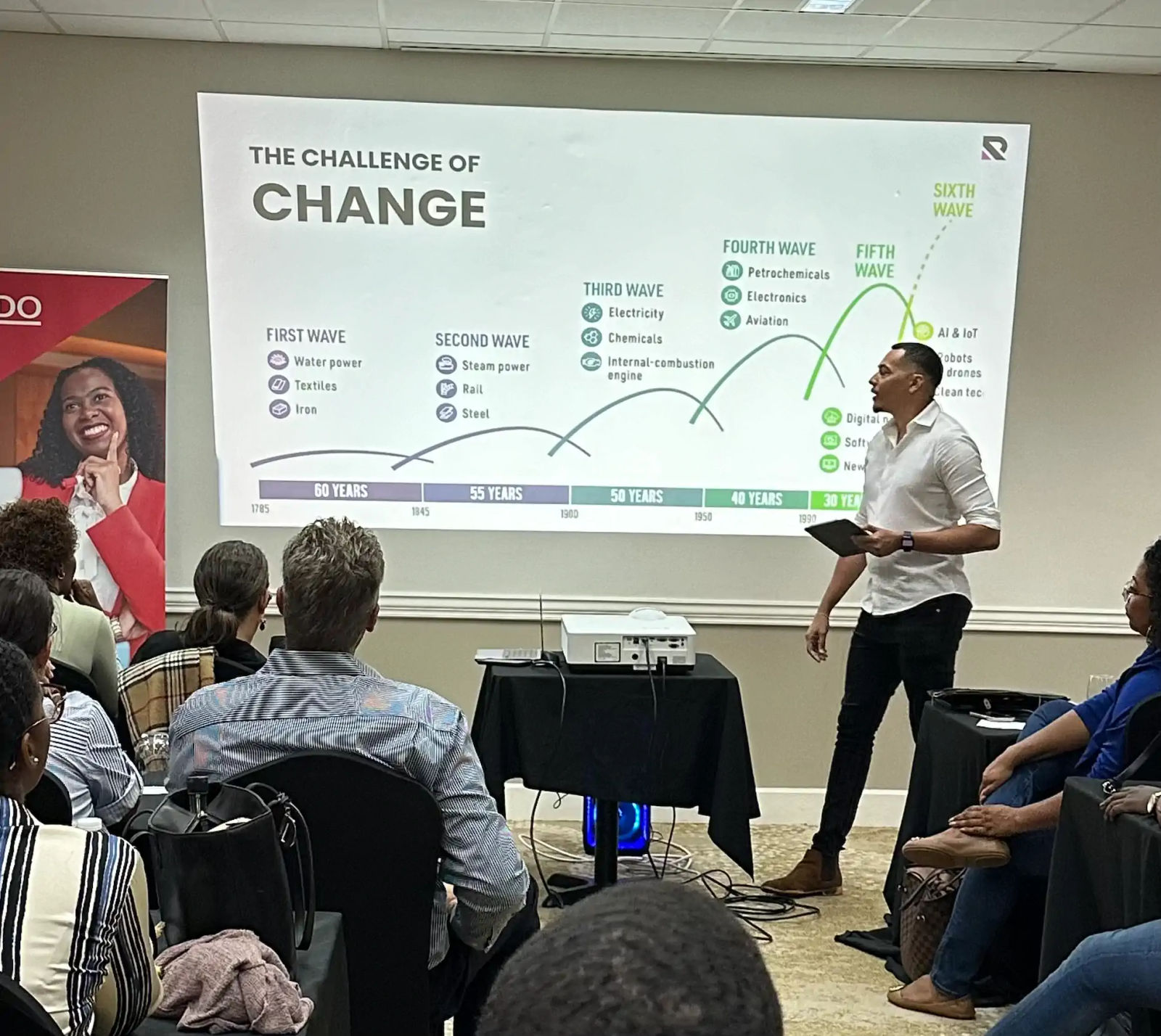
Change is felt before it is understood. Yet, we design for the opposite. Communication plans. Training sessions. Timelines. All aimed at helping people understand what's happening and why. But understanding doesn't make change stick. What people remember years later isn't the rollout plan. It's how the change made them feel.
Think about a major change you went through at work. A merger. A restructure. A new system rollout. You might remember a few details about what happened. But what tends to linger more than anything else is how it made you feel. Maya Angelou put it better than I ever could: people will forget what you said, people will forget what you did, but people will never forget how you made them feel.
And yet most change programs are designed to be understood. We focus on the communication plan. The training sessions. The timelines and milestones. All of that matters. But it misses something essential.
I worked with an organization a few years back that wanted culture change. They did what most organizations do; values posters, defined behaviors. The kind of stuff that looks good in a presentation. Half a year later, not much had shifted. People could recite the values. They just didn't feel any different about coming to work.
When they came back ready to try something else, we started with a different question:
How are you feeling?
And how do you need to feel for this change to succeed?
That conversation changed everything.
Because if we want change to last, we need to address how it feels. Not just how it looks on a project plan.
That is why I am hosting a free online session on February 20th called What People Actually Remember About Change. It is a space to explore this together. No sales pitch. Just a conversation about the emotional side of change and why it matters more than we think.
If you are curious, you are welcome to join.
And if you want to go deeper: I am running an Emotional Culture Deck certification course in Curaçao on March 5th. It is for people who work with change and want practical tools to bring emotional culture into their work. Limited to 12 participants. You can find more details here if it speaks to you.
You might also like
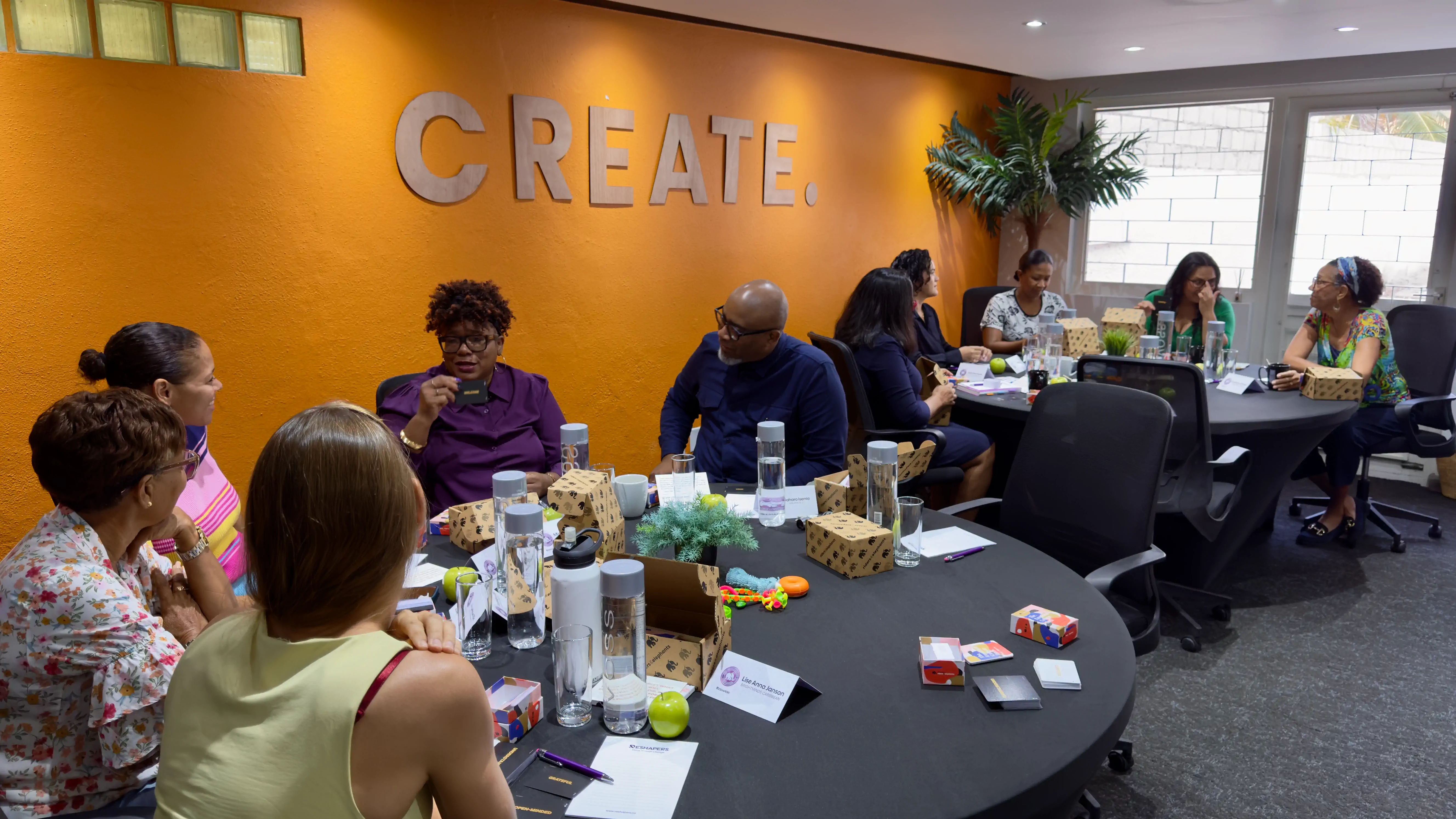
Emotional, By Design
Simply put, most problems inside an organization are emotional problems wearing a different costume. A team goes silent. A client quietly walks away. Trace either one back far enough and you land on the same spot. Somebody's feelings got ignored. Nobody had a system built to catch it.
Read more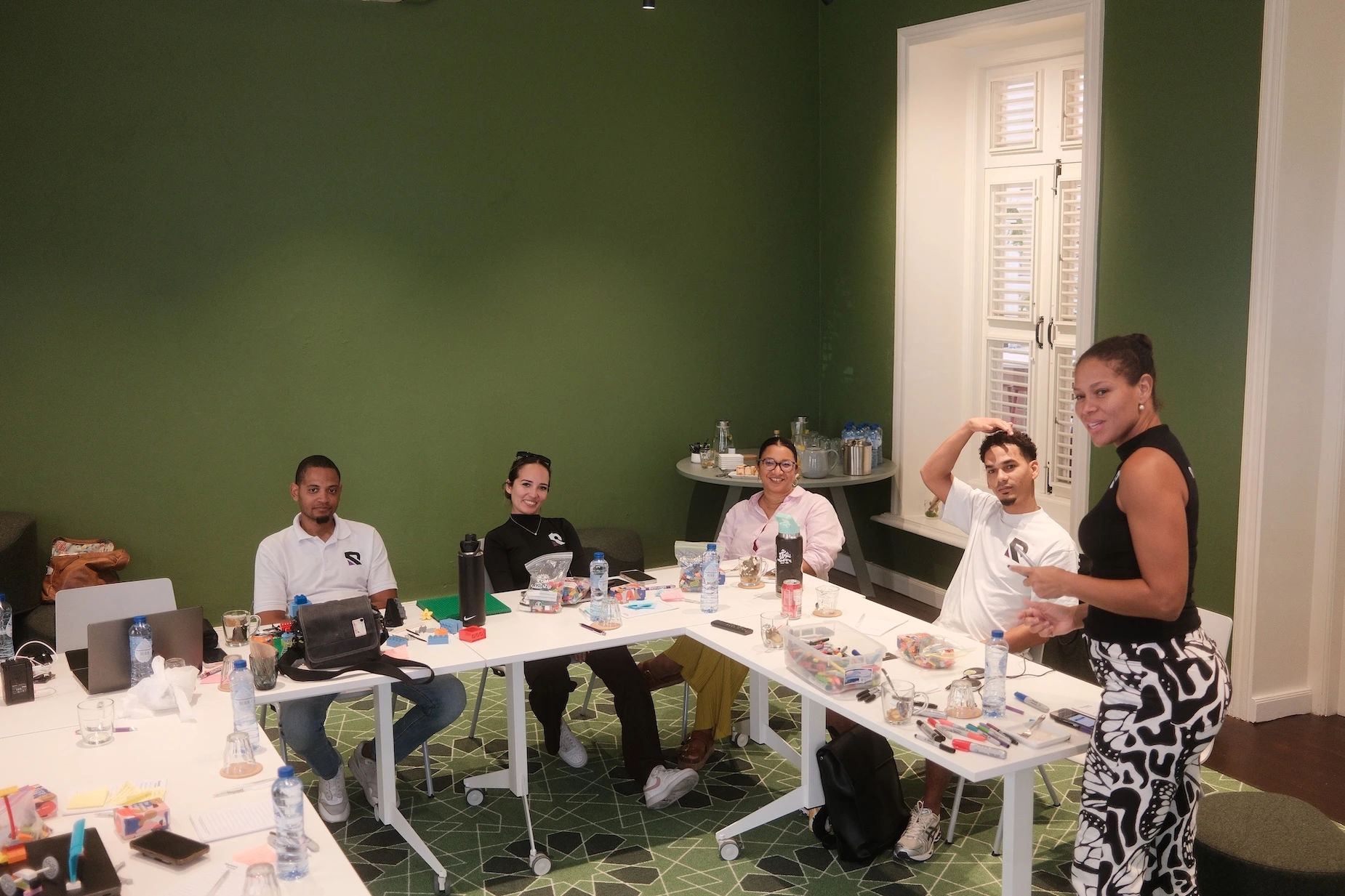
Reflection Is a Leadership Strategy
Most leaders treat a strategy review as a chore. Block the calendar, invite the team and report on targets. The main difference between a status update and strategic review? Reflection.
Read more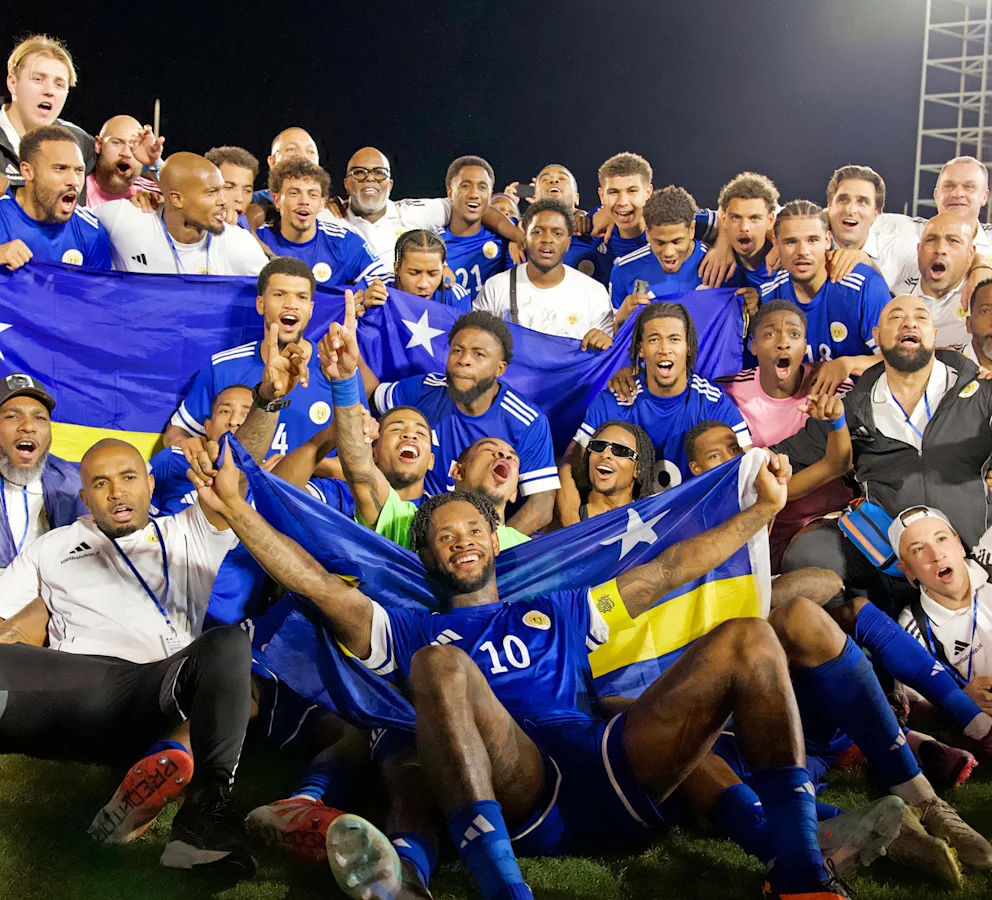
What Curaçao's World Cup Run Teaches Us About Change Readiness
Curaçao's historic World Cup run is a masterclass in change readiness. Six forces made it work. See how your team scores on each one.
Read more